

table of contents

medical reviewer:
adam swanson, lmft
Adventure Therapy in California
Adventure therapy in California gives clients the chance to practice recovery skills through structured outdoor experiences. Instead of talking about every challenge inside a therapy room, clients can work through manageable activities that encourage communication, problem-solving, emotional regulation and healthy connection with others.
Buddy’s Ranch incorporates adventure therapy into our comprehensive addiction treatment programs in Yuba City. Activities may include hiking, fishing, paddleboarding, cooperative games and ropes-course exercises. These experiences complement individual counseling, group therapy and other evidence-based services provided through residential addiction treatment.
contact our Northern California residential treatment center
Learn more about our comprehensive drug detox and inpatient addiction treatment programs and how they can help you overcome substance abuse and dual diagnosis.
Adventure Therapy in California at a Glance
Buddy’s Ranch uses adventure therapy to help clients develop practical skills in a supportive group setting. Outdoor activities provide a chance to face challenges, observe reactions, work with peers and connect each experience to broader recovery goals. Key features of adventure therapy at Buddy’s Ranch include structured outdoor and experiential activities, healthy movement and time in nature, exposure to enjoyable sober activities and integration with individualized addiction treatment.
What is Adventure Therapy?
Adventure therapy is an experiential treatment approach using structured activities to address emotional, behavioral and interpersonal goals. While the activity itself does matter, the therapeutic value also comes from preparation, professional guidance, observation and reflection.
An ordinary hike might be primarily recreational, but during an adventure therapy activity, clients may also be asked to notice how they respond to uncertainty, frustration, fear or dependence on others. Staff can then help the group examine those reactions and connect them to situations clients might encounter during their recovery.
Adventure therapy may help clients move beyond intellectual awareness and practice new behaviors in real time. Someone can talk about asking for support during counseling, for example and then practice that skill while they complete a group challenge.
It’s not an approach that’s a stand-alone treatment for addiction. At Buddy’s Ranch, it works alongside evidence-based therapy, recovery education, structured support and personalized treatment planning.
Adventure Therapy Activities at Buddy’s Ranch
Adventure therapy at Buddy’s Ranch can include outdoor activities that encourage participation, cooperation, reflection and personal growth. Clients don’t need to be experienced athletes or outdoor enthusiasts to benefit.
Activities might include:
- Hiking and nature walks
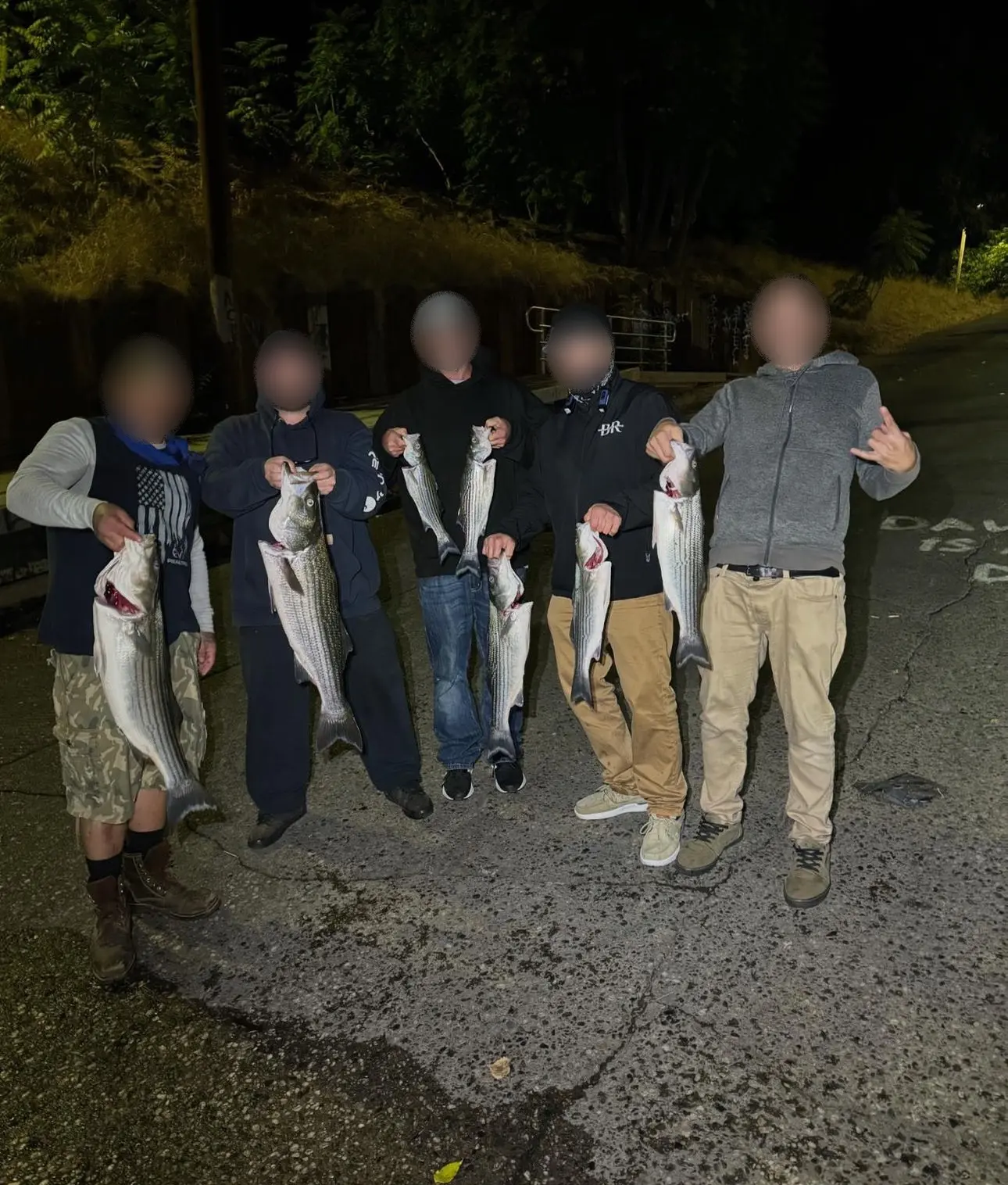
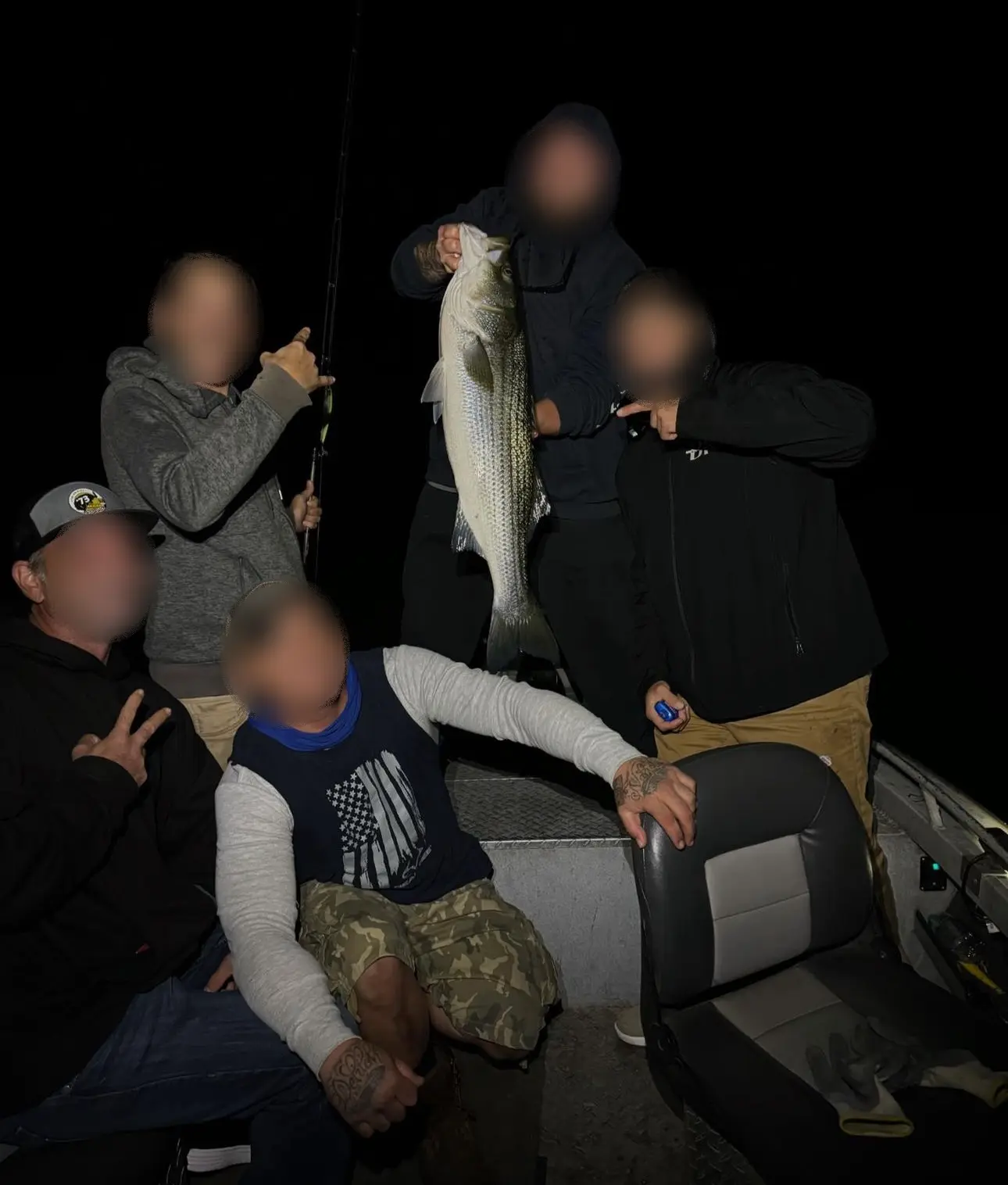
- Guided fishing
- Paddleboarding
- Cooperative outdoor games
- Ropes-course exercises
- Other structured group challenges
A typical activity might start with an explanation of the purpose and safety expectations. Clients can then participate at an appropriate level while staff observe their communication patterns, emotional responses, decision-making and group dynamics.
Afterward, clients might reflect on questions like:
- What thoughts or emotions surfaced?
- How did I respond when the activity became difficult?
- Was I willing to ask for help?
- How did my actions affect the group?
- What would I handle differently next time?
- How does this experience relate to my recovery?
Going through this process turns an outdoor experience into an opportunity for insight and skill development.
How Adventure Therapy Supports Addiction Recovery
Adventure therapy can support addiction recovery by creating situations where clients practice coping, communication and decision-making skills. The goal isn’t to prove physical ability. It’s to learn from the experience and apply those lessons to life outside treatment.
Building Confidence Through Manageable Challenges
Addiction can affect a person’s confidence and leave them feeling disconnected from their abilities. Completing an unfamiliar task may help a client recognize that discomfort doesn’t always have to be avoided.
Progress might involve reaching a physical goal, staying engaged despite frustration, trying something new or communicating a need clearly. These smaller achievements can help clients develop a more realistic sense of what they’re capable of doing.
Strengthening Communication and Connection
Many adventure activities require participants to listen, cooperate, give feedback and depend on each other. These experiences can reveal relationship patterns that may also appear in families, friendships or recovery communities.
With professional guidance, clients can practice asking for support, respecting boundaries, resolving disagreements and considering how their behavior affects others.
Practicing Emotional Regulation
Unexpected challenges may bring up anxiety, frustration, embarrassment, impatience or self-doubt. Adventure therapy gives clients a chance to notice these emotions and then choose how to respond.
Instead of reacting impulsively or immediately giving up, clients can practice slowing down, using coping tools, evaluating their options and staying present.
Finding Healthy Ways to Enjoy Life
Substance use can gradually replace hobbies, relationships and other meaningful activities. Recovery often involves learning how to experience enjoyment and connection without alcohol or drugs.
Outdoor activities may introduce clients to interests they can continue after treatment, including walking, hiking, fishing, movement or spending time in nature.

How Adventure Therapy Complements Clinical Treatment
Adventure therapy works best when lessons are reinforced through clinical treatment. Buddy’s Ranch uses multiple therapeutic approaches to address substance use, emotional health, relationships and the behaviors that can interfere with recovery.
Depending on the individualized treatment plan, services may include:
- Cognitive Behavioral Therapy
- Dialectical Behavior Therapy
- Acceptance and Commitment Therapy
- Rational Emotive Behavior Therapy
- Motivational Interviewing
- Family System Therapy
- Mindfulness and meditation
- Art therapy
- Psychoeducational meetings
- Harm-reduction and abstinence-based support
- 12-Step groups
These approaches can directly connect with adventure-based experiences. For example, cognitive behavioral therapy may help a client look at the self-defeating thoughts that came up during a challenge. Dialectical behavior therapy skills can support distress tolerance and emotional regulation. Acceptance and commitment therapy may help a client move toward a valued goal even if they’re feeling discomfort.
At Buddy’s Ranch, we combine evidence-based therapies with holistic and experiential services instead of relying on a single treatment method.
What Else Can I Expect at Buddy's Ranch?
Not all in-state treatment centers offer adventure therapy in California like Buddy’s Ranch does. What else can you expect from our top-rated rehab center and addiction treatment services? Our 5-star treatment center in Yuba City, California, has a team of compassionate staff members, a home-like environment, small group sizes, and more.
Gender-Specific Care and Housing
Treatment can be a vulnerable experience, but it is also life-changing and potentially life-saving. The gender-specific programs and houses at Buddy's Ranch are designed to give clients a safe space to heal from addiction. We have two residences (one for men and one for women) where you’ll stay for the duration of your program at Buddy's Ranch. Our houses have comfortable rooms and bedding, modern decor, and access to amenities like an in-ground pool. Residential inpatient rehab in California at Buddy's Ranch gives you the advantage of 24/7 access to staff and removal from daily life triggers and stressors. This allows you to reflect on your life, do deep healing work, and reduces the chances of relapse in early recovery. Gender-specific care at Buddy's Ranch also provides an opportunity to work through gender-specific concerns that might affect your overall well-being and relationship with addiction. For example, our women's drug rehab center can help with women’s body image, social pressures, relationships, trauma, and motherhood. The men’s rehab program at Buddy's Ranch is similar. Men might face concerns like shame, internalization of mental health concerns, and an increased risk of some high-risk behaviors, and our men's drug rehab center can help.
Treatment Services
Buddy Ranch offers medical detoxification services, an inpatient rehab program for men, and an inpatient rehab program for women. Before you leave treatment, we’ll help you make an aftercare plan that’ll set you up for success. The goal of medical detox at Buddy's Ranch is to help you get off of drugs and alcohol safely. While medical detox doesn’t address the underlying causes of addiction, it’s often an important first step in treatment. It is common for Buddy's Ranch clients to stay in medical detox for 1-2 weeks or less before transferring to one of our inpatient programs once they’re ready to engage in activities like adventure therapy, motivational therapy, and other activities. Inpatient rehab at Buddy's Ranch involves a full daily schedule of treatment activities. You’ll build tolerance for cravings and challenging emotions, learn to better solve problems in day-to-day life, and create a strong foundation for your long-term recovery.
Program Length
The longer you stay in a rehab program or supportive housing, the more time you have to create new patterns and brain pathways that support long-term sobriety and whole-person healing from addiction. While clients have the ultimate stay in how long they stay in treatment at Buddys Ranch, many people stay in our inpatient rehab programs for 30-180 days.
Who Can Participate in Adventure Therapy?
Adventure therapy can be adapted for clients with different experience levels and abilities, but participation has to be clinically appropriate and safe. Clients should tell staff about injuries, mobility concerns, medical conditions, fears or other factors that could affect participation.
An activity may be modified based on a client’s needs, and in some situations a client might participate through a less physically demanding role, observation, group support or post-activity reflection.
The purpose of adventure therapy is to create an appropriate therapeutic challenge, not to pressure clients into unsafe or unwanted physical situations.
Buddy’s Ranch develops personalized treatment plans so participation and activity selection depend on the client’s health, goals, abilities and clinical needs.
Adventure Therapy Within Residential Treatment
Buddy’s Ranch incorporates adventure therapy into a structured treatment environment in Yuba City, California. The program includes medically supervised detox and residential care for substance use disorders, along with support for co-occurring mental health concerns.
Buddy’s Ranch operates separate residences for men and women with six beds in each home. The smaller setting fosters a close-knit environment where clients can receive focused support and build connections with peers.
Residential treatment can support adventure therapy by giving clients time to participate consistently and process each experience within counseling and group sessions. Skills that are practiced during an activity can also be reinforced through daily routines, peer interactions and the broader treatment community.
Clients who need help managing withdrawal may start with medically supervised detox before transitioning into residential treatment. We help each client move into the level of care that fits their current needs.
Begin Adventure Therapy at Buddy’s Ranch
Adventure therapy offers a practical way to build confidence, improve communication and discover healthy activities while working toward recovery. At Buddy’s Ranch, these experiences are integrated with clinical counseling, individualized treatment planning, wellness services and structured residential support.
Contact Buddy’s Ranch to ask about adventure therapy in California, discuss available treatment options and determine if residential care may be appropriate for you or someone you care about. The admissions team can also review insurance benefits and explain what to expect during the admissions process.
Contact
"*" indicates required fields
You can view our privacy policy here.
we accept most major insurance